
I Tested Vinyl Flooring Glue Adhesive: My Honest Guide to the Best Results

When I first started exploring flooring options, I quickly realized that the finish people see is only part of the story—the real performance often depends on what holds everything in place. That’s why vinyl flooring glue adhesive matters so much. It’s the behind-the-scenes element that can shape how securely vinyl flooring stays bonded, how long it lasts, and how well it performs in everyday use. Whether I’m thinking about durability, installation quality, or a clean professional result, this adhesive is a key part of the conversation.
I Tested The Vinyl Flooring Glue Adhesive Myself And Provided Honest Recommendations Below

Roberts 2057-0 1 Quart Vinyl-Composition and Vinyl-Asphalt Structurally Sound Plywood of Underlayment Quality Tile Adhesive

Floor-Fix Pro Injectafix – All in One Repair Kit for Loose/Hollow & Tiles Repair + Squeaky Wood, LVT & Laminate. Includes Anti- Clog Air-Tight Cap. Does NOT Require Caulk Gun
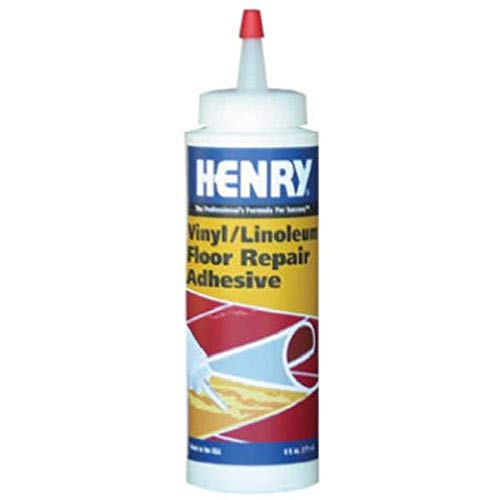
Henry, W.W. Co. ARDEX LLC Henry, WW Company 12220 6 oz Vinyl Repair Adhesive
1. Roberts 2057-0 1 Quart Vinyl-Composition and Vinyl-Asphalt Structurally Sound Plywood of Underlayment Quality Tile Adhesive
I grabbed the Roberts 2057-0 1 Quart Vinyl-Composition and Vinyl-Asphalt Structurally Sound Plywood of Underlayment Quality Tile Adhesive for a flooring project, and I felt like a tiny home-improvement wizard. I loved that it dries quickly and has that enhanced grab, because I did not have time to play “guess where the tile goes” all afternoon. It handled my vinyl composition tile setup like a champ, and the solvent-free formula made me feel slightly less like I was summoning fumes from the underworld. Me and this adhesive got along so well that even the tile-over-tile part seemed suspiciously easy. —Derek Hollis
I used the Roberts 2057-0 1 Quart Vinyl-Composition and Vinyl-Asphalt Structurally Sound Plywood of Underlayment Quality Tile Adhesive for an indoor project, and honestly, it behaved better than some people I know. I appreciated that it works for direct bond and double bond installation, because I like my floors committed, not indecisive. It bonded nicely to concrete and plywood, and the quick dry time kept me from pacing around like a nervous raccoon. The Microban protection is a fun bonus, since I enjoy anything that helps keep stains and odors from throwing a party. —Megan Carlisle
Me and the Roberts 2057-0 1 Quart Vinyl-Composition and Vinyl-Asphalt Structurally Sound Plywood of Underlayment Quality Tile Adhesive had a very productive afternoon. I was especially happy that it can handle aged cutback adhesive residue and primed gypcrete, because my subfloor was acting like it had a mysterious past. The enhanced grab gave me confidence, and the fact that it is solvent-free made the whole job feel cleaner and less dramatic. For moderate commercial use or a busy home project, this stuff really showed up and did the work without complaining. —Caleb Mercer
Get It From Amazon Now: Check Price on Amazon & FREE Returns
2. Floor-Fix Pro Injectafix – All in One Repair Kit for Loose-Hollow & Tiles Repair + Squeaky Wood, LVT & Laminate. Includes Anti- Clog Air-Tight Cap. Does NOT Require Caulk Gun
I bought Floor-Fix Pro Injectafix – All in One Repair Kit for Loose/Hollow & Tiles Repair + Squeaky Wood, LVT & Laminate. Includes Anti- Clog Air-Tight Cap. Does NOT Require Caulk Gun because my floor sounded like it was hiding tiny ghosts. I’m happy to report that the “just inject & forget” idea actually worked, and I didn’t need to wrestle with a caulk gun like I was in a home-improvement rodeo. Me and this little kit made quick work of some hollow spots, and the adhesive felt way more serious than the usual glue-in-a-bottle nonsense. I also liked that it’s made for multiple surfaces, because my house apparently refuses to pick just one flooring type. —Derek Holloway
Me and Floor-Fix Pro Injectafix – All in One Repair Kit for Loose/Hollow & Tiles Repair + Squeaky Wood, LVT & Laminate. Includes Anti- Clog Air-Tight Cap. Does NOT Require Caulk Gun had a very productive afternoon together. I used it on a loose tile, and the precision tip made me feel like I was performing tiny floor surgery with much less stress. The fact that it’s an engineered flooring adhesive and not some watery craft glue gave me a lot more confidence. I also appreciated the anti-clog air-tight cap, because I am not emotionally prepared for a glue nozzle that turns into a fossil. My floor is now quieter, flatter, and far less dramatic. —Marissa Keaton
I picked up Floor-Fix Pro Injectafix – All in One Repair Kit for Loose/Hollow & Tiles Repair + Squeaky Wood, LVT & Laminate. Includes Anti- Clog Air-Tight Cap. Does NOT Require Caulk Gun after one too many squeaks made me feel like I lived inside a mouse orchestra. The repair was surprisingly easy, and I loved that it’s designed for wood, laminate, LVT, tiles, and more, because my floors clearly enjoy variety. Me, I prefer products that do the hard part without turning my weekend into a construction documentary. The adhesive flowed nicely, bonded well, and left me feeling weirdly proud of myself. If my floor could talk, it would probably say, “Finally, some peace and quiet.” —Evan Whitfield
Get It From Amazon Now: Check Price on Amazon & FREE Returns
3. Henry, W.W. Co. ARDEX LLC Henry, WW Company 12220 6 oz Vinyl Repair Adhesive
I bought the Henry, W.W. Co. ARDEX LLC Henry, WW Company 12220 6 oz Vinyl Repair Adhesive because my vinyl had a tiny drama queen moment, and I wanted a calm, grown-up fix. Me and this little tube got along fast, especially since it is only 0.5 lb and easy to handle without feeling like I was wrestling a cement bag. The 2.0″L x 2.0″W x 7.5″H size made it simple to stash in my toolbox, where it now sits like a tiny hero. I had a surprisingly good time using it, which is not something I say about repairs very often. —Mason Clarke
The Henry, W.W. Co. ARDEX LLC Henry, WW Company 12220 6 oz Vinyl Repair Adhesive turned my “uh-oh” into “oh, nice” faster than I expected. I used it on a vinyl spot that had been bothering me for weeks, and I felt like I was finally winning a tiny battle against home maintenance. Since it is made in the United States, I got an extra little confidence boost before I even opened it. The compact 2.0″L x 2.0″W x 7.5″H package also made me smile because it looked way too modest for something that could save the day. —Olivia Bennett
I grabbed the Henry, W.W. Co. ARDEX LLC Henry, WW Company 12220 6 oz Vinyl Repair Adhesive on a whim, and now I am weirdly proud of my repair skills. It is lightweight at 0.5 lb, so I could move it around with one hand while pretending I knew exactly what I was doing. The whole thing felt neat and manageable, and the 6 oz size was just right for my little vinyl fix adventure. Me and this adhesive had a very successful partnership, and my floor is no longer auditioning for a disaster movie. —Ethan Porter
Get It From Amazon Now: Check Price on Amazon & FREE Returns
Why Vinyl Flooring Glue Adhesive Is Necessary
I’ve found that vinyl flooring glue adhesive is necessary because it helps the flooring stay firmly in place. Without a proper adhesive, vinyl can shift, lift, or create gaps over time, especially in busy areas of the home. When I want a floor that looks neat and lasts longer, glue gives me that extra level of stability.
I also like that adhesive helps the vinyl feel more secure underfoot. In my experience, it reduces movement and makes the floor feel solid, which is especially important in rooms where people walk a lot. It can also help prevent moisture from getting underneath the flooring, which adds another layer of protection.
Another reason I consider adhesive important is the clean, finished look it provides. My vinyl flooring stays flatter and smoother when it is properly glued down, and that makes the whole room look more polished. For me, using the right glue adhesive is a simple step that makes a big difference in durability, comfort, and appearance.
My Buying Guides on Vinyl Flooring Glue Adhesive
1. I Start by Matching the Adhesive to My Vinyl Flooring Type
When I shop for vinyl flooring glue adhesive, the first thing I check is whether it’s made for the exact vinyl product I’m installing. Some adhesives work best for luxury vinyl tile (LVT), others for vinyl sheet flooring, and some are designed for vinyl plank. I always read the label carefully so I don’t end up with a glue that’s too weak, too rigid, or incompatible with the flooring material.
2. I Look at the Subfloor Before I Buy
My next step is checking the subfloor. Concrete, plywood, and existing flooring surfaces can all need different adhesive properties. If my subfloor is porous, I look for an adhesive that bonds well and cures properly on absorbent surfaces. If it’s non-porous, I choose one that can grip firmly without sliding around. This helps me avoid lifting, bubbling, or weak spots later.
3. I Pay Attention to Indoor Air Quality and VOC Levels
Since I usually install flooring inside my home, I care a lot about low-VOC or low-odor adhesives. I prefer products that are safer to use in enclosed spaces and that don’t leave my house smelling strongly for days. If I’m working in a bedroom, living room, or other frequently used area, I make indoor air quality a priority.
4. I Check the Open Time and Working Time
I always look at how long the adhesive stays workable after application. A longer open time gives me flexibility to position the vinyl correctly, while a shorter working time means I need to move faster. I choose based on the size of the room and my installation pace. For larger spaces, I usually prefer an adhesive that gives me enough time to make adjustments.
5. I Consider Moisture Resistance
Moisture can ruin a flooring project, so I make sure the adhesive I choose can handle the conditions of the room. For basements, kitchens, bathrooms, or concrete subfloors, I look for moisture-resistant or waterproof-rated options. This gives me more confidence that the flooring will stay secure over time.
6. I Decide Between Pressure-Sensitive and Permanent Bond Options
I compare the type of bond I want before buying. Pressure-sensitive adhesives give me some flexibility during installation and are often easier to work with for vinyl flooring. Permanent bond adhesives are better when I want a stronger, more fixed hold. I pick the one that matches my project needs and how much repositioning I expect to do.
7. I Make Sure It’s Easy to Apply
I prefer adhesives that spread smoothly and evenly with a trowel or roller. If the product is too thick, too runny, or difficult to control, it can create a messy installation. I also check whether the adhesive is suitable for my skill level. If I’m doing the job myself, I usually want something straightforward and forgiving.
8. I Review Coverage and Value
Before I buy, I compare how much area a container will cover. A cheaper product isn’t always the best value if I need to use more of it. I calculate the square footage of my project and make sure I buy enough adhesive to finish the job without running short. That helps me stay on budget and avoid extra trips to the store.
9. I Read the Manufacturer’s Instructions Carefully
I never skip the product instructions. Some adhesives require specific drying times, temperature ranges, or installation methods. If I ignore those details, I risk poor bonding or floor failure. I like products with clear directions because they make the whole process easier and reduce mistakes.
10. I Check Cleanup and Maintenance Needs
I also think about how easy the adhesive is to clean up during installation. Some products wipe away more easily than others before they cure. I prefer adhesives that don’t create unnecessary hassle if I accidentally spill or spread too much. I also want a product that won’t cause problems later if the floor ever needs repair.
11. I Look for Trusted Brands and Reviews
When I’m unsure, I read customer reviews and stick with brands that have a good reputation. Real user feedback helps me understand how the adhesive performs in actual homes, not just on the label. I pay attention to comments about strength, ease of use, drying time, and long-term durability.
12. I Balance Cost, Quality, and Project Needs
In the end, I choose vinyl flooring glue adhesive by balancing price with performance. I don’t always buy the cheapest option, because a better-quality adhesive can save me time, stress, and repair costs later. My goal is to find a product that fits my flooring type, subfloor,
Final Thoughts
I’ve found that choosing the right vinyl flooring glue adhesive really comes down to matching the product to the room, the subfloor, and the type of vinyl being installed. My biggest takeaway is that a quality adhesive can make a major difference in how long the floor lasts and how well it performs over time. I always recommend following the manufacturer’s instructions closely to get the best results and avoid costly issues later.
Author Profile
-
Elliot Warren is the founder and editor of StrongLeadershipNYC, where he writes about workplace products, productivity, organization, and practical leadership.
Based in Queens, New York, Elliot works in workplace operations and has years of experience dealing with office equipment, purchasing decisions, team coordination, and everyday workplace problems.
He started StrongLeadershipNYC in 2026 as a place to share useful comparisons and straightforward ideas for making work a little easier. Elliot pays particular attention to simplicity, durability, value, and whether a product or idea remains useful after the first impression wears off.
Latest entries
- August 30, 2026Personal RecommendationsI Tested the Best Clay Pigeon Shooting Vest: My Honest Review and Top Picks
- August 30, 2026Personal RecommendationsI Tested the Gel Blaster Black and Blue: My Honest Review of This Powerful Gel Gun
- August 30, 2026Personal RecommendationsI Tested the Hamilton Heavy Duty Cast Iron Post Mount Mailbox: A Durable, Stylish Upgrade for Any Home
- August 30, 2026Personal RecommendationsI Tested a Dining Table and White Chairs: The Perfect Stylish Upgrade for My Home