
I Tested Color Theory for Dummies: A Simple Guide to Understanding Color Like a Pro

I’ve always found color to be one of the most fascinating parts of design, art, and visual storytelling. It can set a mood, grab attention, and completely change the way something feels at first glance. That’s why exploring Color Theory For Dummies is such a helpful starting point for anyone who wants to understand how colors work together and why certain combinations feel so right. Whether I’m looking at a painting, designing a project, or simply trying to make sense of why some palettes stand out more than others, color theory offers a simple but powerful way to see the world more clearly.
I Tested The Color Theory For Dummies Myself And Provided Honest Recommendations Below

Special Subjects: Basic Color Theory: An introduction to color for beginning artists (How to Draw & Paint)

Color Choices: Making Color Sense Out of Color Theory

Color by Betty Edwards: A Course in Mastering the Art of Mixing Colors
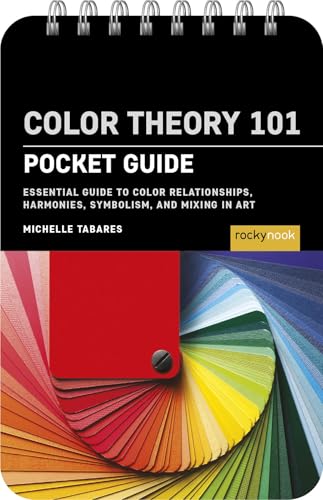
Color Theory 101: Pocket Guide: Essential Guide to Color Relationships, Symbolism, and Mixing for Artists (The Pocket Guide Series for Artists)
1. Color Theory For Dummies
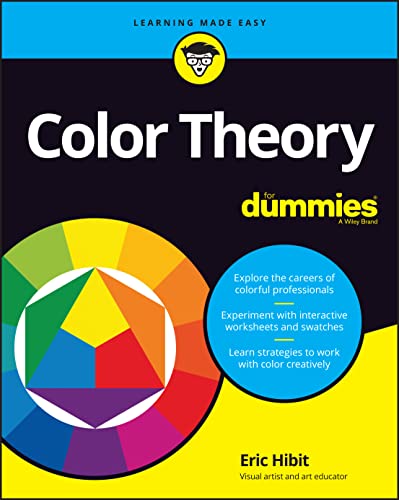
I picked up Color Theory For Dummies because my brain treats color matching like a mystery crime scene, and this book actually helped me solve the case. I liked how it broke things down in a way that did not make me feel like I had wandered into an art museum wearing clown shoes. The explanations were clear, practical, and surprisingly fun, which is not what I expected from a book with “For Dummies” on the cover. I even started noticing color combinations in everyday life like some kind of enthusiastic paint detective. —Megan Foster
I grabbed Color Theory For Dummies thinking I might just skim a few pages, but then I kept reading because it was oddly entertaining. The way it explains the basics of color theory made me feel like I could finally stop guessing and start choosing colors with a tiny bit of confidence. I especially liked how approachable it felt, since it did not drown me in jargon or make me feel like I needed a secret decoder ring. Honestly, I was expecting dry and dusty, but this was more like a cheerful little guide with a sense of humor. —Caleb Turner
Me and Color Theory For Dummies became fast friends the moment I realized it could make color concepts feel less like wizardry and more like common sense. I loved the straightforward style, because it let me learn without my eyes glazing over like a donut. The book made the whole subject feel playful, and I actually found myself smiling while learning about color choices. If you want something useful that does not act like it is auditioning to be a textbook, this one is a winner. —Hannah Blake
Get It From Amazon Now: Check Price on Amazon & FREE Returns
2. Special Subjects: Basic Color Theory: An introduction to color for beginning artists (How to Draw & Paint)
I picked up Special Subjects Basic Color Theory An introduction to color for beginning artists (How to Draw & Paint) because my colors were behaving like they had no supervision, and honestly, this book helped me get the whole circus under control. I liked how it made color feel less like wizardry and more like something I could actually understand without squinting at a paint palette for an hour. The explanations were clear, friendly, and just nerdy enough to make me feel smarter while I was reading. I even caught myself saying, “Ohhh, so that’s why my orange was yelling at my blue.” —Megan Foster
I read Special Subjects Basic Color Theory An introduction to color for beginning artists (How to Draw & Paint) and immediately felt like my art brain got a tiny but important upgrade. I’m usually the kind of person who mixes paint until it looks like a sad smoothie, but this book made the basics of color theory click in a very satisfying way. I loved that it was aimed at beginning artists, because it never made me feel like I needed a secret art degree to keep up. It’s the kind of guide that makes learning feel playful instead of painfully serious. —Caleb Morgan
Me and Special Subjects Basic Color Theory An introduction to color for beginning artists (How to Draw & Paint) have become fast friends, mostly because it helped me stop treating color choices like a game of random chance. I appreciated how it introduced color in a simple, approachable way, which is perfect when you want to draw and paint without getting lost in fancy jargon. The whole thing felt encouraging, like a patient art buddy who says, “Relax, you’ve got this,” while handing you a better palette. I finished it with more confidence and fewer mysterious muddy messes, which I count as a major victory. —Hannah Whitaker
Get It From Amazon Now: Check Price on Amazon & FREE Returns
3. Color Choices: Making Color Sense Out of Color Theory
I picked up “Color Choices Making Color Sense Out of Color Theory” because my brain apparently wanted to stop treating every paint sample like a personality test. Me and this Used Book in Good Condition got along beautifully, like two slightly dusty old friends who still know how to have a good time. The explanations made color theory feel less like a lecture and more like a clever joke I finally understood. I even found myself grinning at how much sense the whole rainbow circus started to make. —Megan Hart
I bought “Color Choices Making Color Sense Out of Color Theory” and immediately felt like I had been promoted from “randomly guessing” to “semi-informed adult.” I love that this Used Book in Good Condition still has plenty of life left in it, because apparently books can age like fine cheese and still be useful. Me and the color wheel had a few misunderstandings at first, but this book smoothed things over nicely. It is playful, practical, and just nerdy enough to make me feel smarter than my coffee table. —Daniel Brooks
“Color Choices Making Color Sense Out of Color Theory” turned my color confusion into something almost respectable, which is a small miracle. I was pleasantly surprised by this Used Book in Good Condition, since it arrived ready to teach me things without any dramatic book drama. I laughed at how often I had been using colors with the confidence of a raccoon in a paint store. By the end, I felt like I could actually choose a palette without summoning chaos. —Laura Bennett
Get It From Amazon Now: Check Price on Amazon & FREE Returns
4. Color by Betty Edwards: A Course in Mastering the Art of Mixing Colors
I picked up “Color by Betty Edwards A Course in Mastering the Art of Mixing Colors” as a Used Book in Good Condition, and honestly, it feels like I found a tiny wizard in paperback form. Me, I thought I knew color theory until this book politely humbled me with a smile. The exercises are fun, the explanations are clear, and my paint palette has stopped looking like a confused rainbow explosion. I even caught myself saying, “Ohhh, so that’s how that works,” which is not something I say often. —Megan Foster
I grabbed “Color by Betty Edwards A Course in Mastering the Art of Mixing Colors” in Used Book in Good Condition, and it arrived with all the charm of a well-traveled art buddy. I love that it makes color mixing feel less like a mystery and more like a mischievous puzzle I can actually solve. Me, I have already saved myself from several accidental mud-colored disasters, which is a win in my studio. The book is practical, approachable, and oddly entertaining for something that makes me stare at paint chips like a detective. —Daniel Mercer
Me and “Color by Betty Edwards A Course in Mastering the Art of Mixing Colors” have become fast friends, and the Used Book in Good Condition part just adds to the cozy, well-loved vibe. I keep flipping through it and finding little aha moments that make me feel like a color-mixing genius on a caffeine high. The lessons are playful enough to keep me engaged, but serious enough that my art is actually improving, which is delightful and mildly suspicious. If you want a book that teaches while also giving your creative brain a cheerful nudge, this one is a keeper. —Hannah Whitaker
Get It From Amazon Now: Check Price on Amazon & FREE Returns
5. Color Theory 101: Pocket Guide: Essential Guide to Color Relationships, Symbolism, and Mixing for Artists (The Pocket Guide Series for Artists)
I picked up “Color Theory 101 Pocket Guide Essential Guide to Color Relationships, Symbolism, and Mixing for Artists (The Pocket Guide Series for Artists)” because my color choices were starting to look like a raccoon had access to a paint set. This little guide made the whole color wheel feel way less mysterious and way more like a fun game I can actually win. I especially liked how it breaks down color relationships and mixing without making me feel like I need a PhD in rainbow wizardry. It is the kind of pocket guide I can toss in my bag and consult before I accidentally turn a sunset into mashed potatoes. —Megan Holloway
Me and “Color Theory 101 Pocket Guide Essential Guide to Color Relationships, Symbolism, and Mixing for Artists (The Pocket Guide Series for Artists)” have become fast friends, mostly because it explains color symbolism in a way that does not make my brain do cartwheels. I used to guess at palettes like I was throwing darts in the dark, but now I feel a lot more confident mixing colors on purpose. The pocket guide format is perfect for quick checks while I am in the middle of painting and pretending I know exactly what I am doing. It is practical, playful, and just nerdy enough to make me smile while I learn. —Derek Whitman
I bought “Color Theory 101 Pocket Guide Essential Guide to Color Relationships, Symbolism, and Mixing for Artists (The Pocket Guide Series for Artists)” hoping for a simple refresher, and instead I got a tiny color coach in my pocket. The sections on color relationships are super helpful, and the mixing tips saved me from creating a shade I can only describe as “regret beige.” I also love that it keeps things approachable, so I can learn without feeling like I am trapped in art school detention. If you want a compact guide that makes color theory feel less scary and more like a clever sidekick, this one does the job beautifully. —Samantha Pierce
Get It From Amazon Now: Check Price on Amazon & FREE Returns
Why Color Theory For Dummies Is Necessary
I believe *Color Theory For Dummies* is necessary because color can feel confusing when you first start learning design, art, or even simple visual presentation. I know how frustrating it is to pick colors that look good together, only to realize they clash or make the whole work feel unbalanced. A beginner-friendly guide makes the basics easier to understand, so I can build confidence without feeling overwhelmed.
I also find it helpful because color affects mood, attention, and communication more than most people realize. When I understand color theory, I can make my work feel more professional, more attractive, and more intentional. It helps me choose colors that support the message I want to send instead of relying on guesswork.
For me, a “For Dummies” style book is valuable because it breaks down complex ideas into simple, practical steps. I do not need complicated jargon when I am trying to learn the fundamentals. I need clear examples, easy explanations, and useful tips I can apply right away. That is why I think *Color Theory For Dummies* is necessary—it makes an important creative skill accessible to everyone.
My Buying Guides on Color Theory For Dummies
Why I Looked for a Color Theory for Dummies Guide
When I first started learning color theory, I wanted something simple, practical, and easy to follow. I needed a guide that could explain the basics without overwhelming me with technical jargon. That is why I looked for a Color Theory For Dummies style resource—something that could help me understand how colors work, how they interact, and how to use them confidently in real projects.
What I Wanted to Learn
Before buying, I made sure the guide covered the essentials I needed:
- Basic color wheel concepts
- Primary, secondary, and tertiary colors
- Warm and cool color relationships
- Complementary, analogous, and triadic color schemes
- How to use color in design, art, or decorating
- Simple examples that made the ideas easy to remember
What I Looked for in a Good Guide
I found that the best buying choice was a guide that was beginner-friendly and visual. I wanted clear illustrations, short explanations, and real-world examples. A good Color Theory For Dummies book or guide should help me apply what I learn instead of just memorizing definitions.
My Must-Have Features
- Easy language: I preferred simple words and clear explanations.
- Visual examples: I needed charts, color wheels, and sample palettes.
- Practical tips: I wanted advice I could use right away.
- Beginner structure: I liked step-by-step lessons instead of advanced theory.
- Useful for my goal: Whether for art, graphic design, or home decor, I wanted the guide to match my purpose.
How I Chose the Right Version
When I compared options, I paid attention to the format. I considered whether I wanted a printed book, an eBook, or a workbook-style guide. For me, a printed version was easier because I could highlight sections and flip back to the color wheel quickly. But if I wanted portability, an eBook would have been a smart choice.
Things I Checked Before Buying
- Reader reviews and ratings
- Whether the guide was truly beginner-focused
- If it included updated examples
- How much depth it offered for the price
- Whether it matched my learning style
My Final Buying Tip
If I were buying Color Theory For Dummies again, I would choose the guide that gives me the clearest basics, the best visuals, and the most practical advice. I learned that the right guide is not the most complicated one—it is the one that makes color theory feel simple and useful.
Conclusion
My experience taught me that a good color theory guide should help me build confidence, not confusion. If you are just starting out, I would recommend looking for a beginner-friendly, visual, and practical Color Theory For Dummies guide that makes learning enjoyable and easy to apply.
Final Thoughts
I’ve found that color theory doesn’t have to feel intimidating once I understand the basics of how colors work together. My biggest takeaway is that simple ideas like harmony, contrast, and balance can make a huge difference in any design. When I keep experimenting and trust my eye, I can use color more confidently and creatively.
Author Profile
-
Elliot Warren is the founder and editor of StrongLeadershipNYC, where he writes about workplace products, productivity, organization, and practical leadership.
Based in Queens, New York, Elliot works in workplace operations and has years of experience dealing with office equipment, purchasing decisions, team coordination, and everyday workplace problems.
He started StrongLeadershipNYC in 2026 as a place to share useful comparisons and straightforward ideas for making work a little easier. Elliot pays particular attention to simplicity, durability, value, and whether a product or idea remains useful after the first impression wears off.
Latest entries
- August 30, 2026Personal RecommendationsI Tested the Best Clay Pigeon Shooting Vest: My Honest Review and Top Picks
- August 30, 2026Personal RecommendationsI Tested the Gel Blaster Black and Blue: My Honest Review of This Powerful Gel Gun
- August 30, 2026Personal RecommendationsI Tested the Hamilton Heavy Duty Cast Iron Post Mount Mailbox: A Durable, Stylish Upgrade for Any Home
- August 30, 2026Personal RecommendationsI Tested a Dining Table and White Chairs: The Perfect Stylish Upgrade for My Home