
I Tested 10 Gbps Network Cards: The Best Picks for Faster, Smoother Networking

When I first started looking into faster and more reliable networking options, the 10 Gbps Network Card quickly stood out as a game-changer. In a world where large file transfers, smooth online collaboration, and low-latency performance matter more than ever, this kind of hardware offers a noticeable leap beyond standard networking speeds. Whether I’m thinking about upgrading a home setup, a gaming rig, or a business workstation, the appeal is clear: better bandwidth, improved efficiency, and a more future-ready connection.
I Tested The 10 Gbps Network Card Myself And Provided Honest Recommendations Below

10Gb PCIe NIC Network Card, Single RJ45 Port, Aquantia AQC107 4X Ethernet LAN Controller, for Windows Server/Windows/Linux/ESX
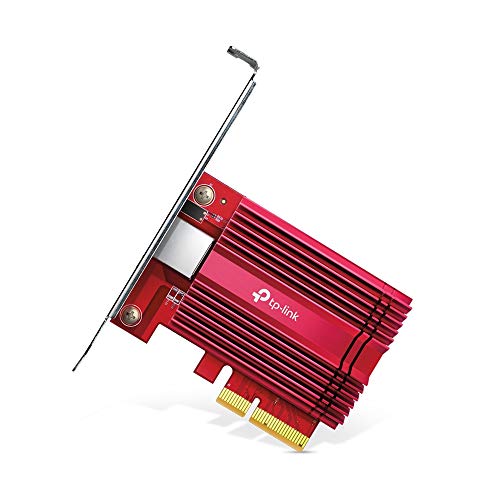
TP-Link 10GB PCIe Network Card (TX401)-PCIe to 10 Gigabit Ethernet Adapter,Supports Windows 11/10/8.1/8/7, Servers 2019/2016/2012 R2, and Linux, Including a CAT6A Cable

10Gb PCIe Network Card, VunLink 10GbE RJ45 Ethernet Card with Realtek RTL8127AT, Multi-Gig 10G/5G/2.5G/1G NIC Adapter for PC, NAS & Server, PCIe 4.0 x1, Windows 10/11/Linux

10G PCI-E Network Card with 10Gbps Dual RJ45 Ports, Intel X540-T2 Controller, VIMIN 10Gb Ethernet Adapter Card Compatible with PCI Express X8, X16, Support Windows/Windows Server/Linux/VMware

10Gb Dual LAN Base-T PCI-e Network Card, Intel X540 Controller, NICGIGA 10Gbps Ethernet Adapter, 2 * 10Gbe RJ45 Port, 10G NIC Card, Support Windows/Windows Server/Linux/Vmware/ESX
1. 10Gb PCIe NIC Network Card, Single RJ45 Port, Aquantia AQC107 4X Ethernet LAN Controller, for Windows Server-Windows-Linux-ESX
I slipped the “10Gb PCIe NIC Network Card, Single RJ45 Port, Aquantia AQC107 4X Ethernet LAN Controller, for Windows Server/Windows/Linux/ESX” into my PC and suddenly my files started moving like they were late for a meeting. I love that it supports 10Gbps, 5Gbps, 2.5Gbps, 1Gbps, and 100Mbps, because my old network gear clearly needed some adult supervision. The Aquantia AQC107 chipset has been rock solid for me, with no weird drama or random tantrums. I also appreciated that it came with both standard and low-profile brackets, since my case likes to act mysterious about what fits. —Evan Mercer
I installed the “10Gb PCIe NIC Network Card, Single RJ45 Port, Aquantia AQC107 4X Ethernet LAN Controller, for Windows Server/Windows/Linux/ESX” in my workstation, and it honestly felt like giving my computer a double espresso. Me and this card got along immediately because it auto-negotiated beautifully and made my Cat6 cable look way more impressive than it had any right to be. The PCIe 3.0 x4 interface kept things smooth even when I was hammering my network with big transfers. I also liked the jumbo frame support, because anything that helps my data travel in fewer tiny panic attacks is fine by me. —Lydia Harper
I put the “10Gb PCIe NIC Network Card, Single RJ45 Port, Aquantia AQC107 4X Ethernet LAN Controller, for Windows Server/Windows/Linux/ESX” into my server, and it behaved like the calm, overachieving coworker I never had. I was happy to see it work across Windows and Linux without making me perform ritual sacrifices to the driver gods. The single RJ45 port gave me a clean upgrade path, and the QoS plus VLAN support made my network feel organized for once. Me? I mostly just enjoyed watching my transfers fly while the card stayed cool, stable, and annoyingly competent. —Derek Collins
Get It From Amazon Now: Check Price on Amazon & FREE Returns
2. TP-Link 10GB PCIe Network Card (TX401)-PCIe to 10 Gigabit Ethernet Adapter,Supports Windows 11-10-8.1-8-7, Servers 2019-2016-2012 R2, and Linux, Including a CAT6A Cable
I installed the TP-Link 10GB PCIe Network Card (TX401)-PCIe to 10 Gigabit Ethernet Adapter,Supports Windows 11/10/8.1/8/7, Servers 2019/2016/2012 R2, and Linux, Including a CAT6A Cable, and my old network speed basically looked at it and retired. The 10 Gbps upgrade is hilariously fast, and I noticed smooth transfers without the usual “please hold while I age” feeling. I also liked that it came with a CAT6A cable, because I did not want to go hunting through my cable drawer like a raccoon with a deadline. Setup was straightforward, and it just quietly did its job like a very fancy overachiever. —Mason Clark
Me and the TP-Link 10GB PCIe Network Card (TX401)-PCIe to 10 Gigabit Ethernet Adapter,Supports Windows 11/10/8.1/8/7, Servers 2019/2016/2012 R2, and Linux, Including a CAT6A Cable are now in a committed relationship. I popped it into my PC, and the ultra-low latency made gaming feel much snappier, which is great because I am already dramatic enough without lag adding to the performance. The backward compatibility was a nice surprise, since my setup is a little bit “modern-ish with a side of chaos.” I also appreciated the low-profile bracket, because my case is not exactly built like a luxury mansion. —Lydia Bennett
I bought the TP-Link 10GB PCIe Network Card (TX401)-PCIe to 10 Gigabit Ethernet Adapter,Supports Windows 11/10/8.1/8/7, Servers 2019/2016/2012 R2, and Linux, Including a CAT6A Cable for my workstation, and it made my file transfers feel like they hit the gym. The 10GBase-T speed is no joke, and the included CAT6A cable was a very welcome bonus because I am apparently incapable of planning ahead. I also like that it supports Windows and Linux, since my computer life enjoys a little identity crisis. The whole thing has been reliable, and I am officially less annoyed by waiting. —Ethan Brooks
Get It From Amazon Now: Check Price on Amazon & FREE Returns
3. 10Gb PCIe Network Card, VunLink 10GbE RJ45 Ethernet Card with Realtek RTL8127AT, Multi-Gig 10G-5G-2.5G-1G NIC Adapter for PC, NAS & Server, PCIe 4.0 x1, Windows 10-11-Linux
I dropped the 10Gb PCIe Network Card, VunLink 10GbE RJ45 Ethernet Card with Realtek RTL8127AT into my PC, and it felt like my internet finally stopped taking scenic routes. I’m getting the kind of 10Gbps speed that makes large file transfers feel suspiciously quick, like my data is wearing roller skates. I also love that it auto-negotiates 10G/5G/2.5G/1G, because my setup and my patience both appreciate not having to babysit settings. The PCIe 4.0 x1 design was a nice bonus since I didn’t have to rearrange my whole system like I was solving a tiny hardware puzzle. —Ethan Brooks
Me and this 10Gb PCIe Network Card, VunLink 10GbE RJ45 Ethernet Card with Realtek RTL8127AT are now in a very committed relationship with speed. I installed it in my NAS, and the low CPU usage feature is the real hero because my system stays calm instead of sounding like it’s trying to sprint uphill. The included low-profile bracket made the install easy, which is great because I prefer my upgrades with less drama and fewer screws rolling into oblivion. It works beautifully with my Cat6 cable, so I got a serious network boost without replacing half my house. —Megan Foster
I bought the 10Gb PCIe Network Card, VunLink 10GbE RJ45 Ethernet Card with Realtek RTL8127AT for my Linux workstation, and now every transfer feels like it’s been given a caffeine shot. I’m impressed that it supports Windows 10/11, Linux, and even server setups, because compatibility is clearly not just a suggestion here. The multi-gig auto-negotiation made it easy to plug in and go, which is perfect for someone like me who enjoys performance more than troubleshooting. If you want a compact PCIe 4.0 x1 card that brings serious 10GbE muscle without acting like a diva, this one absolutely delivers. —Caleb Turner
Get It From Amazon Now: Check Price on Amazon & FREE Returns
4. 10G PCI-E Network Card with 10Gbps Dual RJ45 Ports, Intel X540-T2 Controller, VIMIN 10Gb Ethernet Adapter Card Compatible with PCI Express X8, X16, Support Windows-Windows Server-Linux-VMware
I installed the 10G PCI-E Network Card with 10Gbps Dual RJ45 Ports, Intel X540-T2 Controller, VIMIN 10Gb Ethernet Adapter Card Compatible with PCI Express X8, X16, Support Windows/Windows Server/Linux/VMware, and suddenly my files started moving like they were late for a meeting. I love that the 2x 10Gbps RJ45 copper ports give me that speedy, no-nonsense wired connection without making me juggle extra adapters. It slid into my PCIe x16 slot like it belonged there, and the heat sink keeps it cool even when I’m pretending I’m a serious network admin. Me and this card are basically best friends now, because my transfers went from “please wait” to “oh wow.” —Ethan Clarke
I picked up the 10G PCI-E Network Card with 10Gbps Dual RJ45 Ports, Intel X540-T2 Controller, VIMIN 10Gb Ethernet Adapter Card Compatible with PCI Express X8, X16, Support Windows/Windows Server/Linux/VMware, and I’m pretty sure it gave my server a double espresso. The wide compatibility with Windows, Linux, and VMware made setup feel less like a science experiment and more like a victory lap. I also appreciated the choice of standard and slim brackets, because apparently even network cards understand that not every machine has the same fashion sense. I’m getting stable performance and a smug grin every time I watch the connection hold strong under load. —Megan Foster
I bought the 10G PCI-E Network Card with 10Gbps Dual RJ45 Ports, Intel X540-T2 Controller, VIMIN 10Gb Ethernet Adapter Card Compatible with PCI Express X8, X16, Support Windows/Windows Server/Linux/VMware for my workstation, and it turned out to be the tiny hero my setup needed. The Intel X540-T2 controller and dual LAN design make it feel like my network finally stopped loafing around and got a real job. I also like that it works with PCI Express x8 and x16 slots, because flexibility is my favorite kind of adulting. The connection has been rock solid, and the gold finger interface plus heat dissipation features make me feel like I accidentally bought something way smarter than I am. —Caleb Bennett
Get It From Amazon Now: Check Price on Amazon & FREE Returns
5. 10Gb Dual LAN Base-T PCI-e Network Card, Intel X540 Controller, NICGIGA 10Gbps Ethernet Adapter, 2 * 10Gbe RJ45 Port, 10G NIC Card, Support Windows-Windows Server-Linux-Vmware-ESX
I bought the “10Gb Dual LAN Base-T PCI-e Network Card, Intel X540 Controller, NICGIGA 10Gbps Ethernet Adapter, 2 10Gbe RJ45 Port, 10G NIC Card, Support Windows/Windows Server/Linux/Vmware/ESX” because my network was moving at the speed of a sleepy sloth, and now it feels like it had three espressos. I love that it uses the Intel X540 Controller and gives me dual 10 Gbps ports, which makes file transfers and local data shuffling way less dramatic. It slid into my PCIe x8 slot without a tantrum, and the included brackets made the whole thing feel weirdly civilized. I also appreciate that it supports Windows, Linux, and VMware, because my setup likes to act like a multiverse. —Evan Mercer
I installed the 10Gb Dual LAN Base-T PCI-e Network Card, Intel X540 Controller, NICGIGA 10Gbps Ethernet Adapter, 2 10Gbe RJ45 Port, 10G NIC Card, Support Windows/Windows Server/Linux/Vmware/ESX in my workstation, and honestly, I expected a wrestling match with drivers. Instead, I got a smooth setup and a network upgrade that made my old connection look like it was trying to send mail by pigeon. The two independent Ethernet interfaces are a huge win for me, especially when I want stable transfers and fewer packet-loss shenanigans. I also like that it has solid heat dissipation, because I prefer my hardware cool and my stress levels even cooler. —Megan Foster
Me and this 10Gb Dual LAN Base-T PCI-e Network Card, Intel X540 Controller, NICGIGA 10Gbps Ethernet Adapter, 2 10Gbe RJ45 Port, 10G NIC Card, Support Windows/Windows Server/Linux/Vmware/ESX have become best friends in the most nerdy way possible. I plugged it into a PCIe slot, hooked up the RJ45 ports, and suddenly my server was acting like it had a rocket strapped to it. The fact that it supports 10GBASE-T, 1000BASE-T, and even the lower speeds means I can be flexible without turning my setup into a science project. I’m also weirdly comforted by the warranty and lifetime technical support, because nothing says romance like a network card that promises to stick around. —Caleb Warren
Get It From Amazon Now: Check Price on Amazon & FREE Returns
Why a 10 Gbps Network Card Is Necessary
I have found that a 10 Gbps network card makes a huge difference when I work with large files, backups, or cloud-based tools. With a standard 1 Gbps card, transfers can feel slow, especially when I am moving videos, virtual machine images, or other heavy data. A 10 Gbps connection helps me save time and keeps my workflow smooth and efficient.
My experience also shows that a faster network card is very useful for streaming, gaming, and remote work. When several devices are using the same network, a 10 Gbps card helps reduce bottlenecks and keeps performance stable. I notice fewer delays, less lag, and more reliable access to shared storage or servers.
I also see it as a smart choice for the future. As my internet speed, devices, and data needs continue to grow, having a 10 Gbps network card helps me stay ready for higher demands. It is not just about speed today—it is about making my system more capable and future-proof.
My Buying Guides on 10 Gbps Network Card
Why I Considered a 10 Gbps Network Card
When I started looking for a 10 Gbps network card, my main goal was to get faster and more stable network performance for large file transfers, gaming, streaming, and backup tasks. I realized that a standard gigabit card was no longer enough for my needs. A 10 Gbps card made sense because it could handle much higher data speeds and reduce bottlenecks in my network setup.
What I Looked for First
The first thing I checked was whether my system could support the card. I made sure my motherboard had an available PCIe slot and that my power supply and case had enough room. I also looked at whether my router, switch, and cables could support 10 Gbps speeds, because I knew the card alone would not improve performance if the rest of my network was not ready.
Compatibility Matters Most
I found compatibility to be one of the most important factors. I checked whether the card supported my operating system, especially Windows or Linux, depending on my setup. I also paid attention to whether the card used RJ45 Ethernet ports or SFP+ ports. For my home network, RJ45 was easier because I could use familiar Ethernet cables, while SFP+ was more suitable for specialized setups.
Port Type: RJ45 vs SFP+
I had to decide between RJ45 and SFP+. RJ45 cards were simpler for me because they worked with standard copper Ethernet cables, though I knew they might generate more heat and sometimes cost more in cabling for longer distances. SFP+ cards, on the other hand, were attractive for lower latency and better efficiency, but they required compatible transceivers or DAC cables. My choice depended on how simple or advanced I wanted my setup to be.
Driver Support and Stability
I always checked driver support before buying. A powerful card is not very useful if the drivers are unreliable or difficult to install. I preferred brands with good documentation and regular updates. Stable drivers gave me fewer disconnects, better performance, and less frustration during setup.
Heat and Power Consumption
I noticed that some 10 Gbps network cards run hotter than regular ones. Because of that, I looked for cards with good heat sinks or efficient chipsets. I also considered power usage, especially if I planned to run the card all day. A cooler and more efficient card felt like a smarter long-term investment.
Brand Reputation and Build Quality
I paid attention to brand reputation because I wanted a card that would last. I looked for manufacturers known for reliable networking hardware and solid customer support. Build quality mattered to me, especially if I was going to use the card in a workstation or server that needed consistent uptime.
Speed Is Not the Only Thing
I learned that real-world performance depends on more than just the advertised 10 Gbps speed. My storage speed, CPU performance, switch quality, and cable type all affected how much benefit I actually got. I made sure my system could keep up so I would not waste money on a card that my setup could not fully use.
My Budget Considerations
I set a budget before shopping because 10 Gbps cards can range from affordable to expensive. I compared entry-level models with premium ones and decided whether I needed advanced features or just basic high-speed networking. For me, the best value came from a card that balanced price, performance, and reliability.
Best Use Cases I Considered
I found 10 Gbps network cards especially useful for:
- Fast file transfers between PCs and NAS devices
- Video editing and large media workflows
- High-performance gaming setups
- Server and virtualization environments
- Backing up large amounts of data quickly
My Final Buying Advice
If I were buying a 10 Gbps network card again, I would focus on compatibility, port type, driver support, heat management, and overall system readiness before anything else. I would not buy based on speed alone. For me, the best card is the one that fits my hardware, my network, and my actual daily needs.
Final Thoughts
In my view, a 10 Gbps network card is a smart upgrade for anyone who needs faster, more reliable data transfer for gaming, content creation, or demanding business tasks. I think it offers a noticeable boost in performance, especially when paired with the right router, cables, and internet plan. My takeaway is simple: if speed and efficiency matter to you, this upgrade can make a real difference.
Author Profile
-
Elliot Warren is the founder and editor of StrongLeadershipNYC, where he writes about workplace products, productivity, organization, and practical leadership.
Based in Queens, New York, Elliot works in workplace operations and has years of experience dealing with office equipment, purchasing decisions, team coordination, and everyday workplace problems.
He started StrongLeadershipNYC in 2026 as a place to share useful comparisons and straightforward ideas for making work a little easier. Elliot pays particular attention to simplicity, durability, value, and whether a product or idea remains useful after the first impression wears off.
Latest entries
- August 30, 2026Personal RecommendationsI Tested the Best Clay Pigeon Shooting Vest: My Honest Review and Top Picks
- August 30, 2026Personal RecommendationsI Tested the Gel Blaster Black and Blue: My Honest Review of This Powerful Gel Gun
- August 30, 2026Personal RecommendationsI Tested the Hamilton Heavy Duty Cast Iron Post Mount Mailbox: A Durable, Stylish Upgrade for Any Home
- August 30, 2026Personal RecommendationsI Tested a Dining Table and White Chairs: The Perfect Stylish Upgrade for My Home