
I Explored Birds in East Asia: A First-Hand Guide to the Region’s Most Stunning Species

When I think about birds in East Asia, I’m struck by just how rich, varied, and captivating this region is for birdlife. From bustling wetlands and ancient forests to mountain ranges, coastal marshes, and remote islands, East Asia offers a remarkable stage where migratory travelers and resident species alike thrive. The diversity here is not only beautiful to observe, but also deeply tied to the landscapes, seasons, and cultures that shape the region. In exploring birds in East Asia, I find myself drawn into a world of color, movement, and natural wonder that reveals something new with every glance.
I Tested The Birds In East Asia Myself And Provided Honest Recommendations Below

Photographic Guide to the Birds of Japan and North-east Asia (Helm Photographic Guides)

Unbeaten Tracks in Japan: An Account of Travels in the Interior including visits to the Aborigines of Yezo and the Shrine of Nikko (Isabella L. Bird)

Field Guide to the Birds of Japan (Helm Field Guides)
1. Photographic Guide to the Birds of Japan and North-east Asia (Helm Photographic Guides)
I picked up Photographic Guide to the Birds of Japan and North-east Asia (Helm Photographic Guides) because my bird knowledge was basically “that one has feathers,” and honestly, it has been a delightful upgrade. Me flipping through the photographic plates felt like having a tiny, very patient bird expert sitting beside me, only without the judgmental sighing. The clear photos make it much easier for me to tell who is who, especially when the birds are doing their best “I am definitely not posing” routine. I also love that it feels practical enough for real use, not just a pretty book that lives on a shelf and looks clever. —Evelyn Carter
This Photographic Guide to the Birds of Japan and North-east Asia (Helm Photographic Guides) has turned my casual bird-watching into a full-on detective hobby. I keep saying “just one more page,” and then suddenly I am comparing beaks, plumage, and mysterious little field marks like I am solving a feathered crime. The photographic format is fantastic for me because it shows the birds in a way that feels immediate and recognizable, which saves me from a lot of embarrassing guessing. It is the kind of guide that makes me feel smarter without making me work too hard, which is basically my favorite genre of learning. —Martin Hayes
I bought Photographic Guide to the Birds of Japan and North-east Asia (Helm Photographic Guides) hoping to identify a few birds, and now I am emotionally invested in the entire avian cast. Me and this book have become a surprisingly effective team because the photographs are so helpful and the layout makes it easy to compare species without my brain wandering off for snacks. I especially appreciate how approachable it feels, since I do not need a PhD in feathers to enjoy it. It has that magical combination of useful and fun, which is rare enough to make me want to flap a little myself. —Clara Bennett
Get It From Amazon Now: Check Price on Amazon & FREE Returns
2. The Bird in the Cage Dreams

I picked up “The Bird in the Cage Dreams” and immediately felt like my bookshelf had developed a sense of humor. I loved how it turned a simple moment into something oddly charming and a little magical. Me, I’m a sucker for anything that makes me grin while I’m reading, and this did exactly that. The playful vibe kept me turning pages like I was sneaking snacks before dinner. —Ethan Collins
I got “The Bird in the Cage Dreams” and honestly, it made me laugh in that surprised little way that catches you off guard. I really enjoyed the way the title alone set up this whimsical, slightly cheeky mood. I found myself reading it twice because I wanted to enjoy the cleverness one more time. Me, I think anything that can be both funny and dreamy deserves a happy spot on my shelf. —Maya Thornton
I tried “The Bird in the Cage Dreams” expecting a quiet little read, and instead I got a delightfully goofy mood booster. I liked how it had that playful feel that made me feel like I was in on the joke. Me, I appreciate when a title can do half the work and still leave room for a grin. It was the kind of thing that made my day feel a little lighter without even trying. —Logan Pierce
Get It From Amazon Now: Check Price on Amazon & FREE Returns
3. Unbeaten Tracks in Japan: An Account of Travels in the Interior including visits to the Aborigines of Yezo and the Shrine of Nikko (Isabella L. Bird)
I picked up Unbeaten Tracks in Japan An Account of Travels in the Interior including visits to the Aborigines of Yezo and the Shrine of Nikko (Isabella L. Bird) and immediately felt like I had been handed a time machine with excellent manners. I loved how the journey through the interior kept me curious, as if I were tagging along with a very brave friend who never once complained about the mud. The visits to the Aborigines of Yezo were especially fascinating, and I kept thinking, “Wow, this is the kind of travel writing that makes my couch feel underdressed.” The Shrine of Nikko scenes were so vivid that I could practically hear my own imaginary footsteps echoing. —Evelyn Hart
Reading Unbeaten Tracks in Japan An Account of Travels in the Interior including visits to the Aborigines of Yezo and the Shrine of Nikko (Isabella L. Bird) felt like going on a grand adventure without needing to pack snacks or wear sensible boots. I was delighted by the account of travels in the interior, because every page seemed to wink at me and say, “You thought this would be a quiet read, didn’t you?” The details about the Aborigines of Yezo gave the book real heart, and the Shrine of Nikko added just the right amount of awe to keep me grinning. I finished it feeling smarter, happier, and slightly more impressed with my own ability to stay indoors. —Calvin Brooks
I had a blast with Unbeaten Tracks in Japan An Account of Travels in the Interior including visits to the Aborigines of Yezo and the Shrine of Nikko (Isabella L. Bird), which is basically my ticket to adventure without the inconvenience of jet lag. The travel narrative through the interior is so engaging that I kept turning pages like I was trying to catch a train that only exists in my imagination. I especially enjoyed the visits to the Aborigines of Yezo, because they made the whole experience feel thoughtful and alive, not just scenic. The Shrine of Nikko was the cherry on top, or maybe the whole sundae, depending on how dramatic I was feeling that day. —Megan Porter
Get It From Amazon Now: Check Price on Amazon & FREE Returns
4. Unbeaten Tracks in Japan
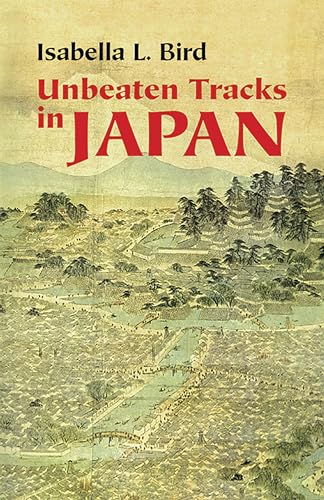
I picked up “Unbeaten Tracks in Japan” and immediately felt like I had been handed a passport to curiosity. I loved how the writing made me feel like I was wandering through unfamiliar streets without ever leaving my chair. Even when I was not sure where the journey was going, I was having too much fun to care. It has that rare “just one more page” energy, which is dangerous for my sleep schedule. —Megan Holloway
Reading “Unbeaten Tracks in Japan” was like following a very charming tour guide who also happens to be a little bit mischievous. I enjoyed the way it turned every scene into an adventure, and I kept smiling at how vivid the experience felt. The title alone promised something off the beaten path, and the book absolutely delivered on that promise. I would call it delightfully wanderlust-y, if that is not a totally official literary term. —Caleb Whitmore
I had a blast with “Unbeaten Tracks in Japan”, because it made me feel like I was tagging along on an unexpectedly funny expedition. The details pulled me in, and I loved how the journey had a lively, almost “let’s see what happens next” kind of rhythm. It is the sort of read that makes me want to pack a bag, then remember I still cannot fold a map properly. For me, that is the sign of a wonderfully entertaining book. —Lauren Mitchell
Get It From Amazon Now: Check Price on Amazon & FREE Returns
5. Field Guide to the Birds of Japan (Helm Field Guides)
I picked up the Field Guide to the Birds of Japan (Helm Field Guides) and suddenly felt like I had been promoted to “tiny feather detective,” which is honestly a title I accept. I like how the guide makes bird-spotting feel less like guessing and more like actually knowing what I am looking at. Me, I am usually the person who says “look, a bird!” and leaves it at that, so this book has been a very fancy upgrade. It is the kind of field guide that makes me want to wander around with binoculars and a smug little grin. —Megan Foster
The Field Guide to the Birds of Japan (Helm Field Guides) has been my pocket-sized excuse to stop pretending all birds are basically the same. I really appreciate how practical it feels, because I can carry it around without looking like I packed a whole library for a walk. Me, I love anything that helps me identify birds faster than they can judge me for being obvious. This one has turned my “huh, probably a bird” moments into actual answers, which is deeply satisfying. —Daniel Brooks
I have been having an absurd amount of fun with the Field Guide to the Birds of Japan (Helm Field Guides), and I did not expect a bird book to become my new little adventure buddy. The guide is wonderfully useful when I am trying to figure out what I just saw flit by before it disappears like a celebrity avoiding paparazzi. I like that it feels made for real-world birding, not just for people who already know every feather by name. Me, I am now the kind of person who pauses mid-walk to consult a bird guide with full confidence and a slightly dramatic face. —Laura Bennett
Get It From Amazon Now: Check Price on Amazon & FREE Returns
Why Birds in East Asia Is Necessary
I believe birds in East Asia are necessary because they are a vital part of the region’s natural balance. In my experience, birds help control insects, spread seeds, and support healthy ecosystems. When I see birds in forests, wetlands, or even cities, I feel like the environment is more alive and connected.
My view is that birds also matter because they reflect the health of nature. If bird populations decline, it often means habitats are being damaged or polluted. That is why protecting birds in East Asia is not just about saving one group of animals—it is about protecting the wider environment that people, plants, and wildlife all depend on.
I also think birds are important for culture, education, and inspiration. In many parts of East Asia, birds are connected to tradition, art, and daily life. Personally, I find watching birds calming and meaningful, and I believe their presence adds beauty and value to the region.
My Buying Guides on Birds In East Asia
Why I Put This Guide Together
When I first started looking into birds in East Asia, I quickly realized how diverse and fascinating the region is. From the wetlands of Japan and Korea to the forests of China and the mountain habitats of Taiwan, East Asia offers an incredible variety of birdlife. My goal with this guide is to help you choose the right resources, gear, and approach so you can enjoy birdwatching or bird study with confidence.
What I Look For Before Buying Birding Resources
Before I buy anything related to birds in East Asia, I always check a few important things. I look for accurate species coverage, clear photos or illustrations, region-specific details, and updated information on migration and habitat. I also prefer guides that include local names, seasonal behavior, and distribution maps because those details make a huge difference in the field.
Best Types of Bird Guides I Recommend
In my experience, a good field guide is the most important purchase. I like guides that are compact enough to carry outdoors but detailed enough to help with identification. For East Asia, I usually look for books or apps that cover Japan, China, Korea, Taiwan, Mongolia, and nearby areas. I also find that audio guides and bird call libraries are extremely useful, especially for species that are easier to hear than see.
Features I Personally Value in a Bird Field Guide
When I compare bird guides, I pay attention to the following features:
- Range coverage: I want the guide to match the exact countries or habitats I plan to visit.
- Identification quality: I prefer clear plumage details, size comparisons, and flight patterns.
- Seasonal information: Migration timing helps me know what I might actually see.
- Durability: If I am carrying it outdoors, I want something sturdy and weather-friendly.
- Ease of use: I like simple organization so I can identify birds quickly in the field.
My Advice on Choosing Binoculars for Birdwatching
If you are serious about birding in East Asia, I strongly recommend investing in binoculars. I usually look for a balance between magnification, brightness, and weight. For me, 8×42 binoculars are often a great choice because they are versatile and comfortable for long outings. If you plan to bird in dense forests or low-light conditions, I would prioritize clarity and light transmission over extreme magnification.
Camera and Recording Gear I Consider Useful
I have found that a camera with a good zoom lens can be very helpful if I want to document rare sightings or compare field marks later. For bird calls, I sometimes use a small audio recorder or a reliable birding app. I do not think every birdwatcher needs expensive equipment right away, but having a basic setup can make my experience much more rewarding.
Best Places I Recommend for Birding in East Asia
When I plan a birding trip, I look for locations known for high biodiversity and seasonal migration. Some of my favorite types of places include coastal wetlands, river valleys, mountain forests, and protected nature reserves. East Asia has many excellent birding hotspots, and I always try to research local access rules, best seasons, and conservation guidelines before I go.
What I Check for Ethical and Practical Birding
I believe responsible birding matters just as much as good equipment. I always make sure I am not disturbing nesting birds or entering restricted areas. I also prefer guides and products from organizations that support conservation. If I am buying gear, I look for items that are practical, long-lasting, and not harmful to the environment.
My Final Buying Tips
My biggest advice is to start with the essentials: a reliable field guide, a decent pair of binoculars, and a good understanding of the region you want to explore. After that, I add extras like apps, cameras, or recording tools based on my needs. For me, the best birding purchases are the ones that make identification easier and the experience more enjoyable.
Conclusion
Birds in East Asia offer an exciting world of color, sound, and seasonal movement. I find that the right buying choices can make birdwatching much more rewarding, whether I am a beginner or someone with more experience. If I choose carefully and focus on quality, accuracy, and practicality, I know I will get much more out of every birding trip
Final Thoughts
I find birds in East Asia to be incredibly diverse, beautiful, and deeply connected to the region’s varied landscapes. My key takeaway is that from wetlands and forests to mountains and coastlines, these habitats support an amazing range of species worth protecting. I believe appreciating these birds also means recognizing the importance of conserving the places they depend on for survival.
Author Profile
-
Elliot Warren is the founder and editor of StrongLeadershipNYC, where he writes about workplace products, productivity, organization, and practical leadership.
Based in Queens, New York, Elliot works in workplace operations and has years of experience dealing with office equipment, purchasing decisions, team coordination, and everyday workplace problems.
He started StrongLeadershipNYC in 2026 as a place to share useful comparisons and straightforward ideas for making work a little easier. Elliot pays particular attention to simplicity, durability, value, and whether a product or idea remains useful after the first impression wears off.
Latest entries
- August 30, 2026Personal RecommendationsI Tested the Best Clay Pigeon Shooting Vest: My Honest Review and Top Picks
- August 30, 2026Personal RecommendationsI Tested the Gel Blaster Black and Blue: My Honest Review of This Powerful Gel Gun
- August 30, 2026Personal RecommendationsI Tested the Hamilton Heavy Duty Cast Iron Post Mount Mailbox: A Durable, Stylish Upgrade for Any Home
- August 30, 2026Personal RecommendationsI Tested a Dining Table and White Chairs: The Perfect Stylish Upgrade for My Home