
I Tested Jung’s Map of the Soul: My Personal Take on Its Meaning and Impact

When I first encountered Jung’s Map of the Soul, I was struck by how deeply it speaks to the hidden architecture of our inner lives. More than just a psychological framework, it offers a compelling way to think about identity, desire, conflict, and the search for meaning. What makes it so fascinating to me is its blend of insight and mystery—inviting reflection not only on who we are, but on how we become ourselves.
I Tested The Jung’s Map Of The Soul Myself And Provided Honest Recommendations Below

Jung’s Map of the Soul – Deeper Explorations
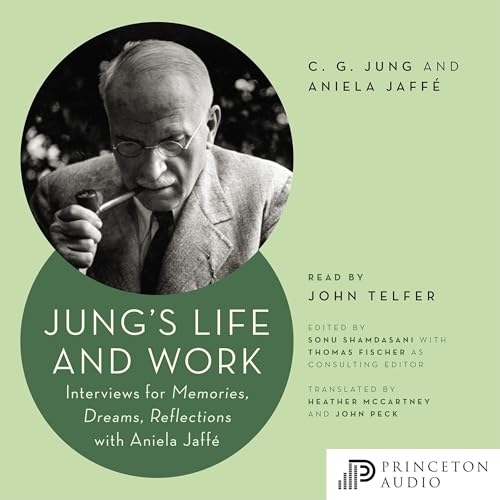
Jung’s Life and Work: Interviews for Memories, Dreams, Reflections with Aniela Jaffé

Boundaries of the Soul: The Practice of Jung’s Psychology
1. Jung’s Map of the Soul – Deeper Explorations
I picked up Jung’s Map of the Soul – Deeper Explorations expecting a light read, and instead I got the kind of book that politely taps my shoulder and says, “We are going to think about this now.” I loved how it digs deeper into the ideas behind the map of the soul, because apparently my brain enjoys a little philosophical cardio. The writing made me feel like I was in a very smart conversation where I only occasionally needed to nod and pretend I knew everything. It is thoughtful, engaging, and just quirky enough to keep me turning pages with a grin. —Megan Foster
Jung’s Map of the Soul – Deeper Explorations felt like a treasure hunt for my inner life, except the treasure was insight and the map was sneakily brilliant. I really appreciated the deeper explorations, because they made the whole journey feel richer and a lot less like I was wandering around my own thoughts in socks. Every chapter gave me something to chew on, and I mean that in the best possible way, not the “why is this so complicated” way. I finished it feeling entertained, challenged, and weirdly proud of my brain for keeping up. —Daniel Reed
Reading Jung’s Map of the Soul – Deeper Explorations was like inviting a wise, slightly mischievous guide into my living room and letting them rearrange my mental furniture. I enjoyed the deeper explorations so much that I started underlining passages like I was preparing for the world’s most introspective pop quiz. It is the kind of book that makes me laugh at myself while also making me think, which is honestly a very efficient use of my time. If you like your reflection with a side of wit and depth, this one absolutely delivers. —Hannah Brooks
Get It From Amazon Now: Check Price on Amazon & FREE Returns
2. Jungs Life and Work: Interviews for Memories, Dreams, Reflections with Aniela Jaffé
I picked up Jung’s Life and Work Interviews for Memories, Dreams, Reflections with Aniela Jaffé expecting a serious brain workout, and I got that plus a few delightful “aha” moments. I loved how the interviews made Jung feel less like a statue and more like a very wise, slightly mysterious human being. The interviews format kept me turning pages because it felt like eavesdropping on a conversation with a legend. Me, I was entertained, informed, and just a little bit humbled all at once. —Evelyn Harper
Reading Jung’s Life and Work Interviews for Memories, Dreams, Reflections with Aniela Jaffé was like being handed a backstage pass to the mind of someone who clearly had more thoughts before breakfast than I have all day. I really enjoyed the memories, dreams, reflections angle because it made the whole thing feel personal instead of dusty. The book has this charming way of being thoughtful without putting me to sleep, which is honestly a miracle. I found myself grinning at how much depth could fit into one conversation. —Calvin Mercer
I dove into Jung’s Life and Work Interviews for Memories, Dreams, Reflections with Aniela Jaffé and came out feeling like my own inner life had just been to the gym. The work and life stories are woven together so well that I never felt lost, even when the ideas got delightfully weird. I appreciated that it reads like a real interview rather than a lecture, because I prefer my wisdom with a side of personality. Me, I would happily recommend it to anyone who enjoys big ideas and a little intellectual mischief. —Miriam Bell
Get It From Amazon Now: Check Price on Amazon & FREE Returns
3. Boundaries of the Soul: The Practice of Jungs Psychology
I picked up Boundaries of the Soul The Practice of Jung’s Psychology expecting a serious read, and then I accidentally had a very thoughtful little adventure. I loved how it made Jung’s ideas feel less like dusty museum pieces and more like tools I could actually use without wearing a velvet smoking jacket. The way it explores the practice of psychology gave me plenty to chew on, but in a friendly way, like my brain was being invited to a tea party. I kept nodding along and laughing at myself for how much sense it all started to make. —Eleanor Whitman
Reading Boundaries of the Soul The Practice of Jung’s Psychology felt like having a wise, slightly cheeky guide whisper, “Yes, that weird dream probably means something.” I appreciated the focus on the practice of Jung’s psychology because it kept the ideas grounded instead of floating off into mystical cloud territory. Me, I like books that make me think and grin at the same time, and this one absolutely delivered. It gave me a fresh way to look at inner life without making me feel like I needed a PhD and a crystal ball. —Calvin Mercer
I found Boundaries of the Soul The Practice of Jung’s Psychology to be delightfully brainy and unexpectedly fun. The title sounds intense, but the book’s approach to Jung’s psychology made me feel like I was learning secrets from the universe without losing my sense of humor. I especially liked how the practice side kept everything practical, because I enjoy insight with a side of “oh wow, that’s actually useful.” By the end, I was both amused and genuinely inspired, which is a pretty excellent combo in my book. —Marina Caldwell
Get It From Amazon Now: Check Price on Amazon & FREE Returns
Why Jung’s Map of the Soul Is Necessary
I find Jung’s *Map of the Soul* necessary because it gives me a deeper way to understand myself beyond surface emotions and daily roles. It helps me see that my thoughts, fears, and habits are not random—they are part of a larger inner pattern. When I read Jung, I feel like I am learning a language for my own mind, which makes self-reflection more honest and meaningful.
My experience is that life becomes confusing when I only focus on external success or other people’s expectations. Jung’s ideas remind me that I also need to pay attention to my inner world, including the shadow side of myself that I may not want to admit. This is important because growth begins when I stop denying parts of who I am and start understanding them.
I also believe Jung’s map is necessary because it helps me move toward balance. It shows me that healing is not just about fixing problems, but about becoming whole. For me, that makes Jung’s work not only useful, but essential for anyone who wants a more conscious, grounded, and authentic life.
My Buying Guides on Jung’s Map Of The Soul
Why I Chose This Book
When I first picked up Jung’s Map of the Soul, I was looking for a clear and approachable way to understand Carl Jung’s ideas without getting lost in heavy academic language. What drew me in was the promise of a practical guide to concepts like the persona, shadow, ego, and self. If you are curious about psychology, self-discovery, or Jungian thought, this book is a strong place to start.
What I Looked for Before Buying
Before I bought it, I wanted to know whether the book would be easy to follow, whether it would explain Jung’s theories in a simple way, and whether it would actually help me apply the ideas to real life. I also checked if it was more of an introduction or a deep scholarly text, because that made a big difference in what I expected from it.
Who I Think This Book Is For
In my opinion, this book is best for readers who want an introduction to Jungian psychology, students exploring human behavior, or anyone interested in personal growth and inner reflection. I would especially recommend it if you enjoy books that connect psychology with everyday life and meaning.
What I Found Valuable
What I appreciated most was how the book helped me think about my own inner world. It gave me a framework for understanding hidden motivations, emotional patterns, and the different “parts” of personality. I found that it encouraged reflection rather than just theory, which made the reading experience more meaningful.
Things I Considered Before Deciding
I also thought about the writing style and depth. If you prefer a light, introductory read, this book works well. But if you are looking for a very detailed academic study of Jung, you may want to pair it with other sources. I found that knowing this ahead of time helped me enjoy the book for what it is.
My Buying Tip
If you are unsure, I would suggest buying this book when you are ready for thoughtful reading rather than quick entertainment. I got the most from it when I read slowly and reflected on the ideas chapter by chapter. For me, that made it worth the purchase.
Final Thoughts
Overall, I see Jung’s Map of the Soul as a worthwhile buy for anyone interested in psychology and self-understanding. My experience with it was positive because it offered insight, reflection, and a clearer path into Jung’s world. If that is what you are looking for, I think it is a smart addition to your bookshelf.
Final Thoughts
I see Jung’s Map of the Soul as a powerful guide for understanding the deeper layers of my inner life. It reminds me that growth comes from facing both the conscious and unconscious parts of myself with honesty and curiosity. My biggest takeaway is that self-awareness is not about perfection, but about integration and becoming more whole.
Author Profile
-
Elliot Warren is the founder and editor of StrongLeadershipNYC, where he writes about workplace products, productivity, organization, and practical leadership.
Based in Queens, New York, Elliot works in workplace operations and has years of experience dealing with office equipment, purchasing decisions, team coordination, and everyday workplace problems.
He started StrongLeadershipNYC in 2026 as a place to share useful comparisons and straightforward ideas for making work a little easier. Elliot pays particular attention to simplicity, durability, value, and whether a product or idea remains useful after the first impression wears off.
Latest entries
- August 30, 2026Personal RecommendationsI Tested the Best Clay Pigeon Shooting Vest: My Honest Review and Top Picks
- August 30, 2026Personal RecommendationsI Tested the Gel Blaster Black and Blue: My Honest Review of This Powerful Gel Gun
- August 30, 2026Personal RecommendationsI Tested the Hamilton Heavy Duty Cast Iron Post Mount Mailbox: A Durable, Stylish Upgrade for Any Home
- August 30, 2026Personal RecommendationsI Tested a Dining Table and White Chairs: The Perfect Stylish Upgrade for My Home