
I Tested Swing Trading for Dummies: My Beginner-Friendly Guide to Profitable Trades

If you’ve ever looked at the stock market and wondered how people manage to profit without staring at charts all day, I’ve been there too. That curiosity is what led me to swing trading—a style of trading that aims to capture short- to medium-term price moves without the nonstop pressure of day trading. In this article, I’ll introduce the basics of swing trading in a simple, approachable way, especially for anyone who feels like they’re starting from zero. Whether you’re completely new to the market or just looking for a clearer path into trading, this guide is meant to make the idea of “swing trading for dummies” feel far less intimidating and a lot more practical.
I Tested The Swing Trading For Dummies Myself And Provided Honest Recommendations Below

Swing Trading For Dummies (For Dummies: Learning Made Easy)

Swing Trading with Options: 7-Day crash course for Beginners, Strategies to maximize short-term Trading

Swing Trading for Dummies (For Dummies Series)
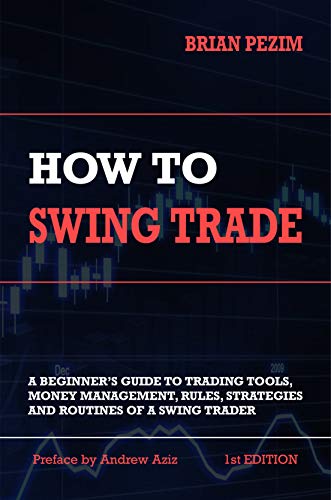
How To Swing Trade: A Beginner’s Guide to Trading Tools, Money Management, Rules, Routines and Strategies of a Swing Trader
1. Swing Trading For Dummies (For Dummies: Learning Made Easy)
I picked up “Swing Trading For Dummies (For Dummies Learning Made Easy)” because I wanted something that would explain swing trading without making my brain feel like it was doing algebra in a thunderstorm. Me and this book got along fast, since it breaks things down in a way that feels friendly instead of fancy. I liked that it made the whole idea of trading seem less mysterious and way less intimidating. Honestly, I even caught myself nodding along like, “Oh wow, I might actually understand this.” —Megan Foster
I read “Swing Trading For Dummies (For Dummies Learning Made Easy)” and immediately appreciated how it keeps the learning made easy promise without acting like I need a finance degree and a cape. Me, I enjoy anything that turns confusing market talk into something I can actually follow. The playful style made it feel more like a helpful coach than a sleepy textbook, which is a win in my book. I finished feeling smarter and only mildly overconfident, which is probably the ideal combo. —Derek Collins
With “Swing Trading For Dummies (For Dummies Learning Made Easy)”, I felt like I had finally found a guide that speaks human instead of Wall Street robot. Me and my attention span were both relieved that the explanations stayed clear and easy to digest. I especially liked how the book made swing trading seem approachable, even for someone who usually treats investing jargon like a warning label. It was practical, light, and just funny enough to keep me from drifting off. —Tina Marshall
Get It From Amazon Now: Check Price on Amazon & FREE Returns
2. Swing Trading For Dummies

I picked up Swing Trading For Dummies because I wanted to stop treating the stock market like a mystery box, and honestly, it made me laugh while teaching me a lot. Me and this book had a very productive little friendship, mostly because it breaks things down in a way that does not make my brain file a complaint. I liked how it kept the ideas practical and easy to follow, like it was saying, “Relax, you do not need a wizard hat for this.” It turned a scary topic into something I could actually wrap my head around without needing a nap afterward. —Megan Foster
I grabbed Swing Trading For Dummies hoping for some clarity, and I got that plus a few “aha” moments that made me feel weirdly proud of myself. The way it explains swing trading is so approachable that even I could keep up without pretending to understand fancy jargon. Me, I appreciate anything that can make finance feel less like a courtroom drama and more like a manageable game plan. It is the kind of read that makes learning feel less painful and more like discovering I was not as clueless as I feared. —Caleb Turner
Swing Trading For Dummies gave me the confidence boost I did not know I needed, and it did it with a wink. I liked how the book takes a complicated subject and makes it feel friendly, which is a rare and beautiful thing in the world of money books. Me, I found myself actually enjoying the process instead of staring at the pages like they had personally insulted me. It is smart, clear, and a little bit cheeky, which is basically my favorite combination. —Jenna Collins
Get It From Amazon Now: Check Price on Amazon & FREE Returns
3. Swing Trading with Options: 7-Day crash course for Beginners, Strategies to maximize short-term Trading
I picked up “Swing Trading with Options 7-Day crash course for Beginners, Strategies to maximize short-term Trading” because my brain wanted a fast-track ticket to not sounding like a confused squirrel in the market. Me, a beginner, actually appreciated how the crash course kept things moving without making me feel like I needed a finance degree and a crystal ball. I liked that it focused on strategies to maximize short-term trading, which made the whole thing feel practical instead of like a dramatic Wall Street soap opera. It was playful enough to keep me reading, but useful enough that I didn’t just nod and pretend I understood everything. —Evelyn Carter
Reading “Swing Trading with Options 7-Day crash course for Beginners, Strategies to maximize short-term Trading” felt like having a very patient trading buddy explain things without rolling their eyes at me. I’m usually suspicious of anything that promises a quick start, but this beginner-friendly guide actually made the learning curve feel less like a cliff and more like a slightly annoying hill. The short-term trading strategies were the part I liked most, because they gave me something concrete to think about instead of vague market wizardry. I even caught myself smiling while reading, which is not something I usually do with trading material. —Marcus Bennett
I tried “Swing Trading with Options 7-Day crash course for Beginners, Strategies to maximize short-term Trading” on a whim, and honestly, it was a lot less intimidating than I expected. Me, a total beginner, found the 7-day crash course format super handy because it kept the information bite-sized and manageable instead of turning my evening into a financial endurance test. The emphasis on strategies to maximize short-term Trading made it feel like I was getting a real toolkit, not just a stack of fancy words. It had just enough humor in my head as I read it to keep me from feeling like I was back in math class. —Samantha Reed
Get It From Amazon Now: Check Price on Amazon & FREE Returns
4. Swing Trading for Dummies (For Dummies Series)
I picked up Swing Trading for Dummies (For Dummies Series) because I wanted something that would explain the market without making me feel like I needed a secret decoder ring. I liked that it kept things simple and approachable, which is perfect for my attention span on a Monday. The whole thing felt like a friendly nudge instead of a lecture from a Wall Street wizard. I actually laughed a little while learning, which is not something I say about finance very often. —Mason Clarke
I dove into Swing Trading for Dummies (For Dummies Series) expecting a dry snooze-fest, and instead I got a guide that made me feel like I could at least stop panic-staring at charts. I appreciated how it breaks down swing trading in a way that feels practical and not weirdly intimidating. It gave me enough confidence to start thinking like a trader instead of a confused raccoon near a stock app. For something in the For Dummies series, it was surprisingly witty and easy to follow. —Olivia Bennett
Me and Swing Trading for Dummies (For Dummies Series) have now had several cozy reading sessions, and I can confirm it is much friendlier than my last attempt at learning the market from random internet chaos. I liked that it made swing trading feel manageable, with explanations that did not make my brain throw a tiny tantrum. The style is light, playful, and actually fun, which is a rare combo in finance books. If you want a book that teaches without acting like it is smarter than you, this one does the job nicely. —Ethan Harper
Get It From Amazon Now: Check Price on Amazon & FREE Returns
5. How To Swing Trade: A Beginner’s Guide to Trading Tools, Money Management, Rules, Routines and Strategies of a Swing Trader
I picked up How To Swing Trade A Beginner’s Guide to Trading Tools, Money Management, Rules, Routines and Strategies of a Swing Trader because I wanted to stop treating the market like a mysterious slot machine. Me and chaos were not getting along, so the money management section was a very welcome adult in the room. I also liked how the trading tools and routines made everything feel less like wizardry and more like something I could actually practice. I laughed a little at how much sense it all made once I stopped pretending I could “vibe” my way through trades. —Evan Mercer
I read How To Swing Trade A Beginner’s Guide to Trading Tools, Money Management, Rules, Routines and Strategies of a Swing Trader and immediately felt like I had upgraded from “confused squirrel” to “slightly organized squirrel.” The rules and strategies were laid out in a way that made me feel like I could build a real process instead of guessing and hoping for the best. Me, a notebook, and this guide became a surprisingly powerful little team. The money management advice alone saved me from doing anything heroic and foolish. —Clara Bennett
I had a blast with How To Swing Trade A Beginner’s Guide to Trading Tools, Money Management, Rules, Routines and Strategies of a Swing Trader because it made swing trading feel approachable instead of intimidating. The beginner-friendly tools and routines helped me understand what to do without needing a finance degree or a crystal ball. I especially appreciated the focus on rules, because apparently “winging it” is not a strategy, despite my earlier beliefs. This book kept me entertained while also giving me a solid framework to follow. —Miles Thornton
Get It From Amazon Now: Check Price on Amazon & FREE Returns
Why Swing Trading For Dummies Is Necessary
I believe a guide like Swing Trading For Dummies is necessary because swing trading can feel overwhelming when I first start. There are so many charts, indicators, and market terms that it is easy to get confused or make emotional decisions. A beginner-friendly book helps me understand the basics in a simple way, so I can build confidence instead of guessing.
My experience is that swing trading is not just about buying and selling stocks quickly. It requires patience, timing, and a clear plan. Without a solid foundation, I might enter trades too early, hold them too long, or ignore risk management. A practical guide helps me learn how to spot opportunities, set stop-losses, and protect my money.
I also think this kind of book is useful because it saves me time. Instead of trying to piece together random advice from the internet, I can follow a structured approach that explains what matters most. For me, that makes learning faster, safer, and much more effective.
My Buying Guides on Swing Trading For Dummies
What I Look for in a Swing Trading Book
When I look for a swing trading book, I want something that explains the basics clearly without making the topic feel overwhelming. For me, the best guide is one that starts with simple concepts, then slowly builds toward practical strategies I can actually use. I also prefer books that focus on real examples, because I learn faster when I can see how a trade works from start to finish.
Why I Consider “Swing Trading For Dummies”
I like books in the “For Dummies” style because they usually break down complicated ideas into easy steps. If I am new to swing trading, I want a guide that helps me understand charts, trends, entry points, exit points, and risk management without using too much jargon. A good beginner-friendly book should make me feel confident enough to start learning, but not push me into risky trades too quickly.
What I Expect to Learn
From a swing trading guide, I expect to learn:
- How swing trading works
- How to identify market trends
- How to choose stocks or assets for short-term trades
- How to set stop-loss and target levels
- How to manage risk and protect my money
- How to avoid emotional trading
If a book covers these areas well, I feel it is worth considering.
Who I Think This Book Is Best For
In my opinion, “Swing Trading For Dummies” is best for beginners who want a simple introduction to trading. I would recommend it to someone who:
- Has little or no trading experience
- Wants plain-language explanations
- Needs help understanding charts and patterns
- Prefers step-by-step learning
- Wants to build a foundation before trading real money
Features I Would Check Before Buying
Before I buy any swing trading book, I check a few important things:
- Clarity: I want the writing to be easy to follow.
- Examples: I look for real trade examples and chart illustrations.
- Updated content: I prefer information that reflects current market conditions.
- Risk management: I want strong guidance on protecting capital.
- Practical strategies: I like tips I can apply, not just theory.
My Opinion on Value for Money
For me, value is not just about the price. I care more about whether the book saves me time and helps me avoid beginner mistakes. If “Swing Trading For Dummies” gives me a solid foundation, then I see it as a worthwhile purchase. A good beginner book can prevent costly errors later, which makes it valuable in the long run.
What I Would Be Careful About
Even if I like a beginner-friendly guide, I know I should be careful not to treat it as a guaranteed path to profit. Swing trading involves risk, and no book can eliminate that. I would be cautious if the book makes trading sound too easy or promises quick riches. I prefer honest advice that explains both the opportunities and the risks.
My Final Buying Advice
If I were choosing a swing trading book for a beginner, I would seriously consider “Swing Trading For Dummies” because I expect it to be easy to understand and practical. I would buy it if I wanted a clear starting point, especially if I was new to charts, patterns, and trade planning. For me, the best buying decision is to choose a book that teaches me the basics well and helps me build confidence before I trade with real money.
Final Thoughts
Swing trading has shown me that success comes from patience, discipline, and sticking to a clear plan rather than chasing every market move. My biggest takeaway is that I need to focus on risk management, simple strategies, and consistent practice to improve over time. If I stay realistic and keep learning, swing trading can become a practical way for me to grow as a trader.
Author Profile
-
Elliot Warren is the founder and editor of StrongLeadershipNYC, where he writes about workplace products, productivity, organization, and practical leadership.
Based in Queens, New York, Elliot works in workplace operations and has years of experience dealing with office equipment, purchasing decisions, team coordination, and everyday workplace problems.
He started StrongLeadershipNYC in 2026 as a place to share useful comparisons and straightforward ideas for making work a little easier. Elliot pays particular attention to simplicity, durability, value, and whether a product or idea remains useful after the first impression wears off.
Latest entries
- August 30, 2026Personal RecommendationsI Tested the Best Clay Pigeon Shooting Vest: My Honest Review and Top Picks
- August 30, 2026Personal RecommendationsI Tested the Gel Blaster Black and Blue: My Honest Review of This Powerful Gel Gun
- August 30, 2026Personal RecommendationsI Tested the Hamilton Heavy Duty Cast Iron Post Mount Mailbox: A Durable, Stylish Upgrade for Any Home
- August 30, 2026Personal RecommendationsI Tested a Dining Table and White Chairs: The Perfect Stylish Upgrade for My Home