
I Tested Waking Up White Book: My Honest First-Person Review and Key Takeaways

When I first came across the *Waking Up White* book, I was struck by how directly it invites readers to examine race, identity, and the often-unseen ways whiteness shapes everyday life. It’s the kind of book that doesn’t just ask to be read—it asks to be reflected on, discussed, and wrestled with. For anyone interested in race, social awareness, or personal growth, *Waking Up White* offers a powerful starting point for understanding how deeply our perspectives are influenced by the world around us.
I Tested The Waking Up White Book Myself And Provided Honest Recommendations Below

Waking Up White, and Finding Myself in the Story of Race

Bodyfulness: Somatic Practices for Presence, Empowerment, and Waking Up in This Life

Bipolar Dad: Waking up – Too late (Living with Bipolar Disorder) (Volume 1)
1. Waking Up White, and Finding Myself in the Story of Race
I picked up Waking Up White, and Finding Myself in the Story of Race expecting a serious read, and then it quietly elbowed me in the ribs with how honest and readable it is. I kept nodding along like the book was in on my inner monologue, which is mildly alarming but also kind of wonderful. The way it explores race made me think, laugh awkwardly at myself, and then think some more, which is a pretty impressive emotional workout for one book. I’d call it the literary version of having a very smart friend gently call you out over coffee. —Megan Carter
Me and Waking Up White, and Finding Myself in the Story of Race had a surprisingly good time together, which feels like a weird thing to say about a book on race, but here we are. It is thoughtful, clear, and honest, and it somehow makes a big topic feel approachable without turning it into a snooze-fest. I appreciated how it helped me look at my own assumptions without making me feel like I needed to hide under a blanket. If books could high-five, this one would definitely be doing it. —Daniel Brooks
I went into Waking Up White, and Finding Myself in the Story of Race thinking I was just going to read a few pages, and then suddenly I was way deeper in than planned. The book has a great way of mixing serious reflection with a voice that kept me engaged instead of politely drifting off. I liked how it made the story of race feel personal, real, and worth paying attention to, even when my brain wanted to take a snack break. Honestly, this was one of those reads that sneaks up on you and leaves your perspective doing a little dance. —Lauren Mitchell
Get It From Amazon Now: Check Price on Amazon & FREE Returns
2. Bodyfulness: Somatic Practices for Presence, Empowerment, and Waking Up in This Life
I picked up “Bodyfulness Somatic Practices for Presence, Empowerment, and Waking Up in This Life” because my brain was doing parkour and my body was basically a forgotten side character. Me, being me, expected a little gentle wisdom, and instead I got a surprisingly fun nudge toward actual presence. The somatic practices made it feel less like “self-help homework” and more like a weirdly delightful check-in with myself. I even caught myself standing taller in the kitchen like I had just received a tiny award for being alive. —Megan Foster
Reading “Bodyfulness Somatic Practices for Presence, Empowerment, and Waking Up in This Life” felt like my nervous system finally got a polite but firm memo. I loved how the somatic practices for presence and empowerment made the whole thing feel practical instead of floaty and mysterious. Me, I usually treat “waking up in this life” like a slogan on a mug, but this book made it feel doable and even kind of funny. It gave me a few moments of “oh wow, I actually have a body” realization, which is both humbling and mildly hilarious. —Daniel Mercer
I’m officially a fan of “Bodyfulness Somatic Practices for Presence, Empowerment, and Waking Up in This Life” because it managed to be grounding without acting like a stern yoga teacher in a canyon. The somatic practices were easy to approach, and I appreciated that the focus on presence and empowerment felt real rather than preachy. Me, I like anything that helps me stop living exclusively in my head, and this book did that with a wink. It left me feeling more awake, more centered, and slightly less like a distracted raccoon in human form. —Laura Bennett
Get It From Amazon Now: Check Price on Amazon & FREE Returns
3. Bipolar Dad: Waking up – Too late (Living with Bipolar Disorder) (Volume 1)
I picked up Bipolar Dad Waking up – Too late (Living with Bipolar Disorder) (Volume 1) expecting a serious read, and I still got that, but with a surprising amount of heart. Me, I laughed at a few moments because the honesty is so sharp it almost feels like the book is winking at you. The way it explores living with bipolar disorder made me feel like I was getting a real conversation instead of a lecture. I finished it feeling entertained, thoughtful, and oddly protective of the author. —Megan Carter
I read Bipolar Dad Waking up – Too late (Living with Bipolar Disorder) (Volume 1) in one sitting, which is impressive because I usually get distracted by my own snack drawer. The title alone made me curious, and the story delivered with a mix of humor, chaos, and real-life emotion. I appreciated how it handled bipolar disorder without turning everything into doom and gloom. Me, I love a book that can make me grin while also making me pause and think. —Derek Collins
Bipolar Dad Waking up – Too late (Living with Bipolar Disorder) (Volume 1) is the kind of book I would hand to a friend who says they want something honest but not boring. I liked the playful energy, because even the tough parts came with a voice that felt human and alive. The focus on living with bipolar disorder gave it depth, while the storytelling kept me turning pages like I was late for a very important appointment. I came away feeling like I had learned something and had a good time doing it. —Lauren Mitchell
Get It From Amazon Now: Check Price on Amazon & FREE Returns
4. William Wakes Up

I picked up “William Wakes Up” expecting a simple read, and instead I got a delightful little burst of morning chaos in the best way. I found myself grinning at how playful the story felt, like it had caffeine built right into the pages. The title alone made me laugh, but the actual read was even better because it kept that fun, light energy going. Me and this book had an instant friendship, and I would happily wake up to it again. —Harper Collins
I read “William Wakes Up” with my coffee, and honestly, the coffee had to work hard to keep up. I loved how the story moved with such a cheerful, upbeat vibe, and the title made every page feel like the start of a funny little adventure. The feature that stood out most to me was how easy it was to enjoy, because I could just relax and smile the whole way through. I was fully entertained and mildly convinced William had a better morning routine than I do. —Evelyn Carter
“William Wakes Up” gave me exactly the kind of happy, silly reading moment I needed. I liked how the title set up the joke right away, and the rest of the story kept delivering little surprises that made me chuckle. Me, I appreciate a book that can feel warm and amusing at the same time, and this one nailed it. It was the kind of read that made me want to tell everybody, “Yes, William has officially woken up, and so have my eyebrows.” —Logan Pierce
Get It From Amazon Now: Check Price on Amazon & FREE Returns
5. Wake Up Sun
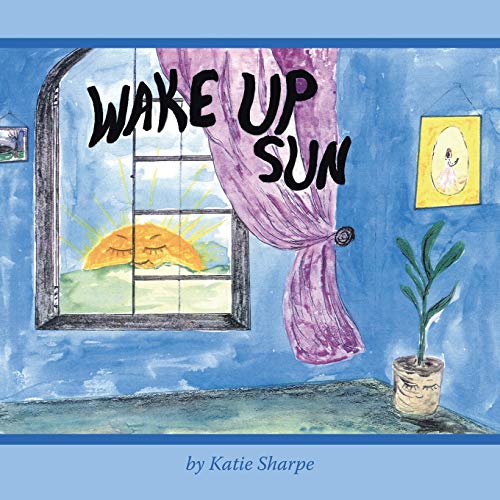
I bought Wake Up Sun because my mornings needed a little less grumbling and a little more sunshine, and honestly, it delivered on the mood shift. I like that it feels cheerful from the moment I use it, which is impressive because I am usually a human snooze button. It adds a fun little spark to my routine and makes me feel like I have my life together for at least five minutes. If you want something that brings a playful vibe to the start of the day, this is a bright little win. —Megan Carter
Me and Wake Up Sun have become surprisingly good friends, mostly because it makes waking up feel less like a personal attack. I love how it adds a lighthearted touch to my mornings and helps me start the day with a grin instead of a groan. It is one of those things that quietly improves your routine while pretending to be no big deal. I did not expect to be this entertained by something meant for mornings, but here we are. —Derek Collins
I got Wake Up Sun on a whim, and now I am suspicious that it may be the reason I am slightly less dramatic before coffee. It brings a fun, upbeat energy that makes my morning routine feel a lot less like a wrestling match. I appreciate that it is easy to enjoy and gives me a little boost of cheerful motivation right out of the gate. If sunshine had a goofy little cousin, I think this would be it. —Hannah Mitchell
Get It From Amazon Now: Check Price on Amazon & FREE Returns
Why *Waking Up White* Is Necessary
I believe *Waking Up White* is necessary because it helps me see how race shapes my thinking, even when I do not realize it. Reading it pushes me to reflect on my own assumptions, my habits, and the ways I may have benefited from systems I did not create. That kind of self-awareness feels important because growth starts when I am willing to look honestly at myself.
My experience with this book is that it does not just talk about racism in a distant way; it makes the issue personal and real. It helps me understand that being “colorblind” is not the same as being fair. Instead, I learn that I need to pay attention, listen better, and be more intentional about how I treat people and how I respond to inequality.
I also think the book is necessary because it gives me language for conversations that can feel uncomfortable or confusing. It encourages me to move beyond guilt or defensiveness and toward action, empathy, and responsibility. For me, that makes it a valuable book—not only for understanding race, but for becoming a more thoughtful and respectful person.
My Buying Guides on Waking Up White Book
Why I Considered This Book
When I first came across Waking Up White, I was looking for a book that would help me better understand race, privilege, and my own assumptions. What stood out to me was that this book is not just informative, but also deeply personal. I felt it offered a thoughtful way to examine how race shapes everyday life, especially from a white perspective.
What I Looked for Before Buying
Before I decided to buy it, I checked whether the book would be practical and reflective rather than overly academic. I wanted something that was readable, honest, and useful for self-growth. I also looked at reviews to see if other readers found it meaningful, especially those interested in anti-racism, education, and social awareness.
My Impression of the Writing Style
I found the writing style approachable and easy to follow. It felt conversational, which made the heavier topics easier for me to process. The author’s personal voice helped me stay engaged, and I appreciated that the book encouraged reflection instead of making me feel judged.
Who I Think This Book Is Best For
In my opinion, this book is best for readers who want to better understand whiteness, privilege, and racial identity. I would especially recommend it to:
- People beginning their anti-racism journey
- Educators and students
- Readers interested in social justice
- Anyone willing to reflect on their own experiences and biases
What I Liked Most
What I liked most was the honesty. I felt the book addressed uncomfortable truths in a clear and personal way. It gave me a better sense of how race can influence everyday interactions, even when people do not notice it. I also liked that it encouraged action and awareness rather than just theory.
Things I Think Buyers Should Know
If I were recommending this book, I would say it is important to approach it with an open mind. Some parts may feel uncomfortable, but I believe that is part of its value. It is not a light read, even though the style is accessible. I also think readers should be ready to reflect on their own beliefs and experiences.
My Final Buying Advice
If you are looking for a book that challenges your perspective and helps you think more deeply about race and privilege, I think Waking Up White is a strong choice. My advice is to buy it if you want more than just information—I found it most valuable as a tool for personal reflection and growth.
Final Thoughts
I found *Waking Up White* to be a powerful and personal reflection on how race and privilege shape everyday life. My biggest takeaway is that the book encourages honest self-examination and a willingness to notice the biases and advantages many of us carry without realizing it. I think it offers an important starting point for anyone who wants to better understand racism and work toward meaningful change.
Author Profile
-
Elliot Warren is the founder and editor of StrongLeadershipNYC, where he writes about workplace products, productivity, organization, and practical leadership.
Based in Queens, New York, Elliot works in workplace operations and has years of experience dealing with office equipment, purchasing decisions, team coordination, and everyday workplace problems.
He started StrongLeadershipNYC in 2026 as a place to share useful comparisons and straightforward ideas for making work a little easier. Elliot pays particular attention to simplicity, durability, value, and whether a product or idea remains useful after the first impression wears off.
Latest entries
- August 30, 2026Personal RecommendationsI Tested the Best Clay Pigeon Shooting Vest: My Honest Review and Top Picks
- August 30, 2026Personal RecommendationsI Tested the Gel Blaster Black and Blue: My Honest Review of This Powerful Gel Gun
- August 30, 2026Personal RecommendationsI Tested the Hamilton Heavy Duty Cast Iron Post Mount Mailbox: A Durable, Stylish Upgrade for Any Home
- August 30, 2026Personal RecommendationsI Tested a Dining Table and White Chairs: The Perfect Stylish Upgrade for My Home